
Understand what really happened
Stratio continuously records deep vehicle signals, sensor data, and component behaviour, giving engineering teams the evidence they need to investigate incidents, understand failures, support warranty claims, and answer questions about the vehicle long after they happen.
The world’s leading public transport operators run Stratio





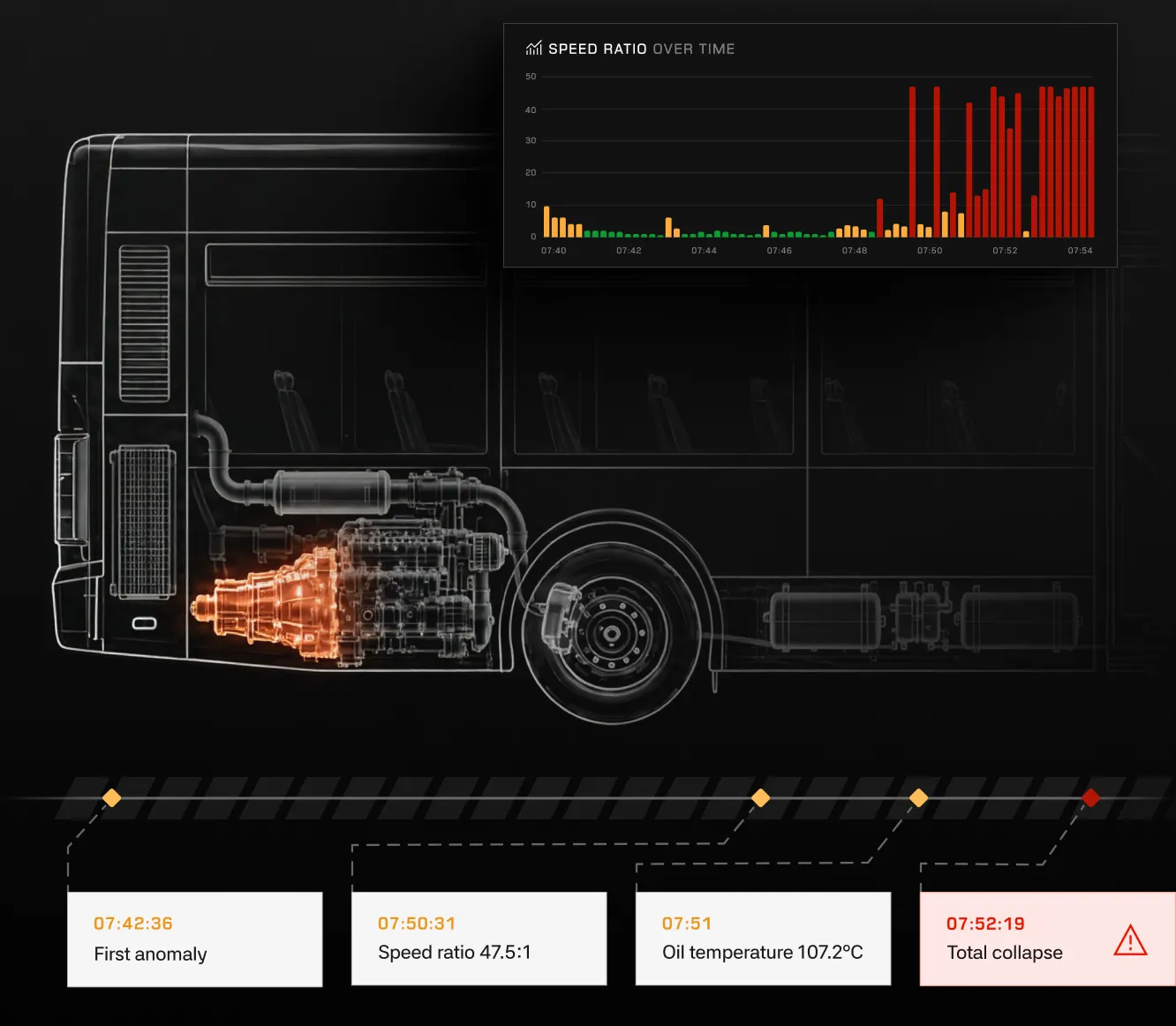
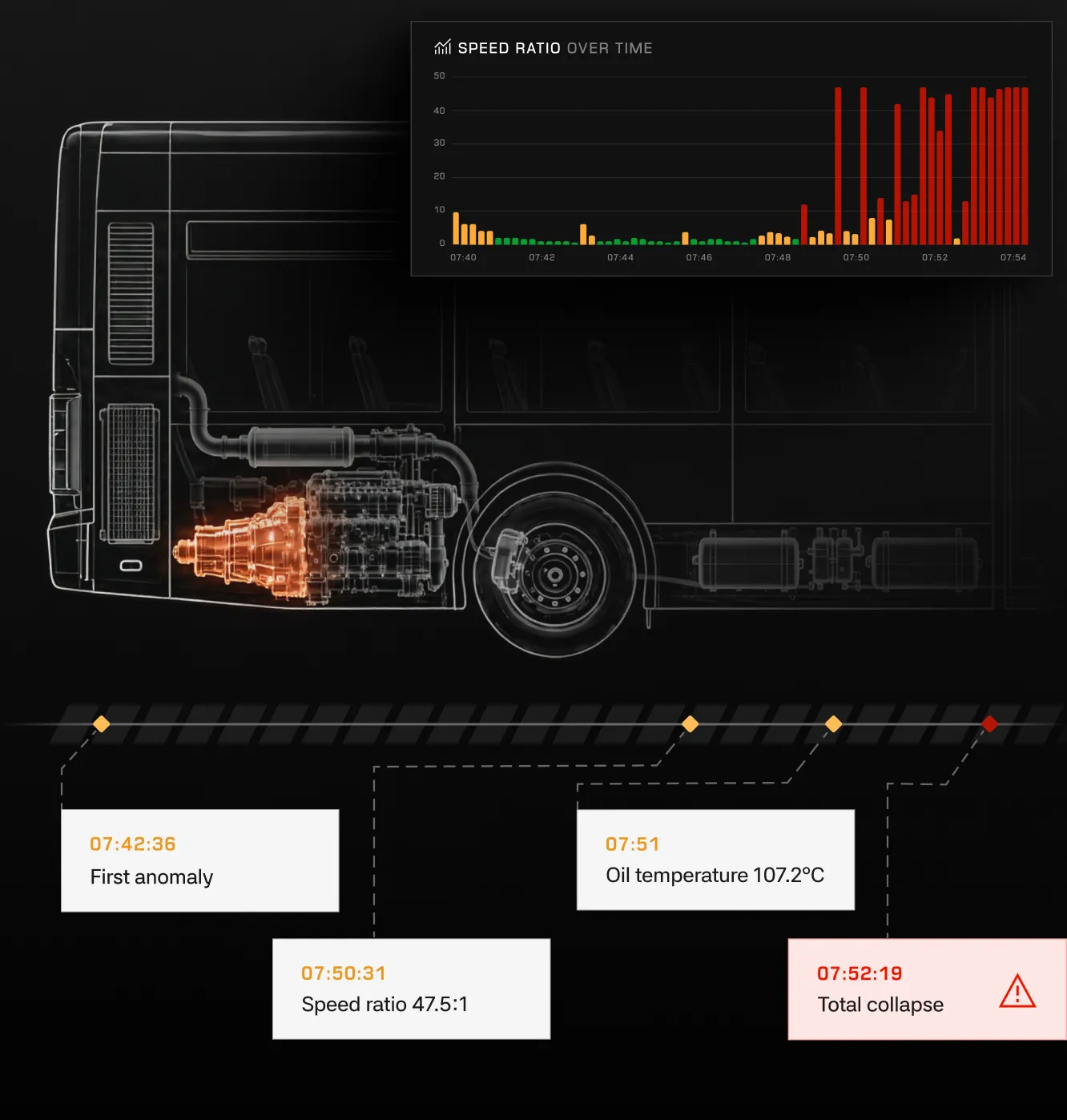
Vehicle incidents are difficult to reconstruct


Missing evidence makes incidents harder to investigate, failures harder to explain and warranty claims harder to prove.
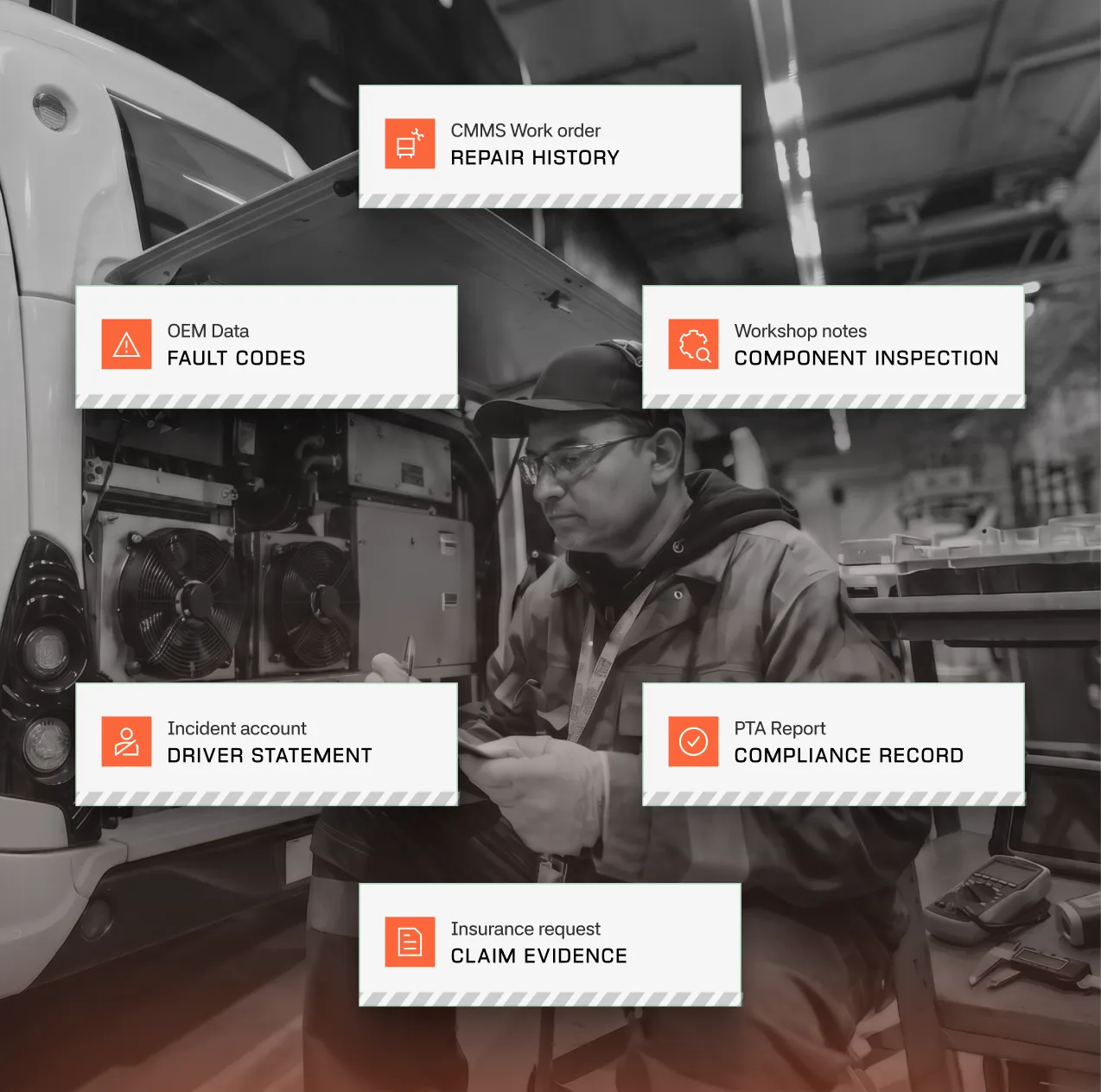


Record the vehicle, not the event.
Stratio continuously records vehicle condition, sensor data, and deep CAN signals throughout the life of the bus. When questions arise later, engineering teams can go back through the vehicle’s history to understand exactly what happened before, during, and after the event.
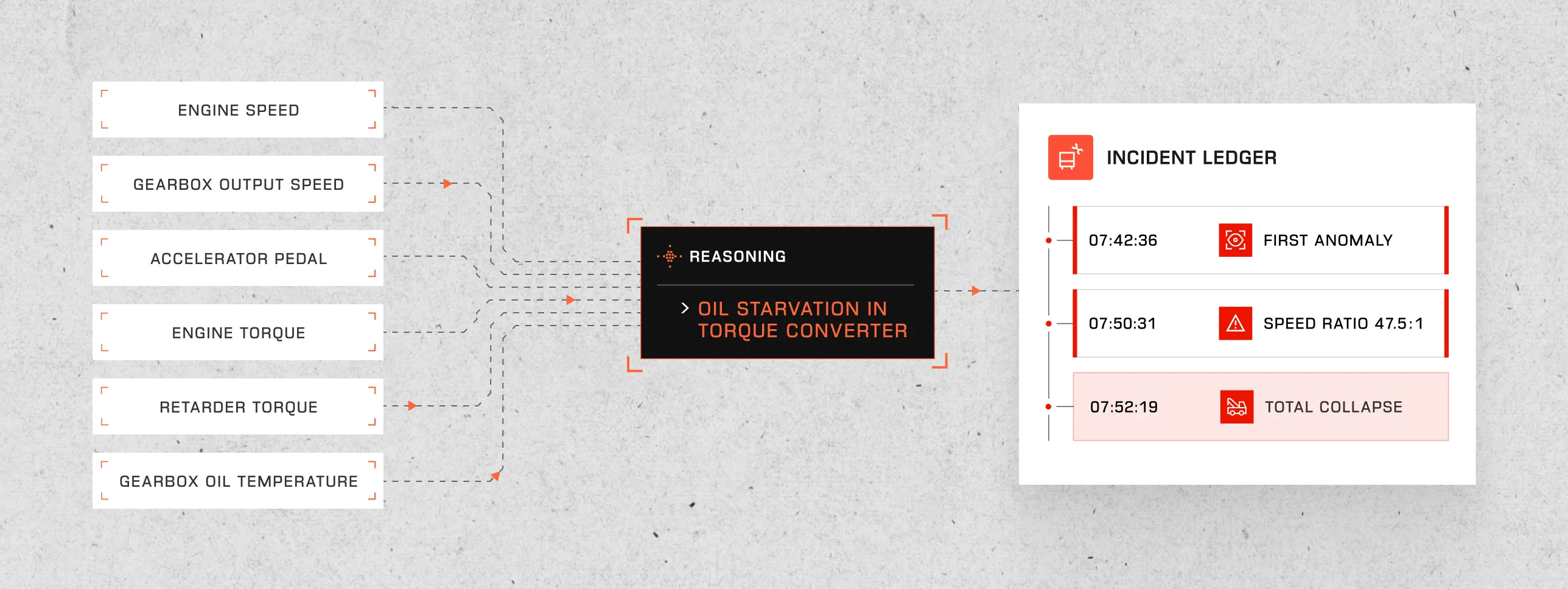
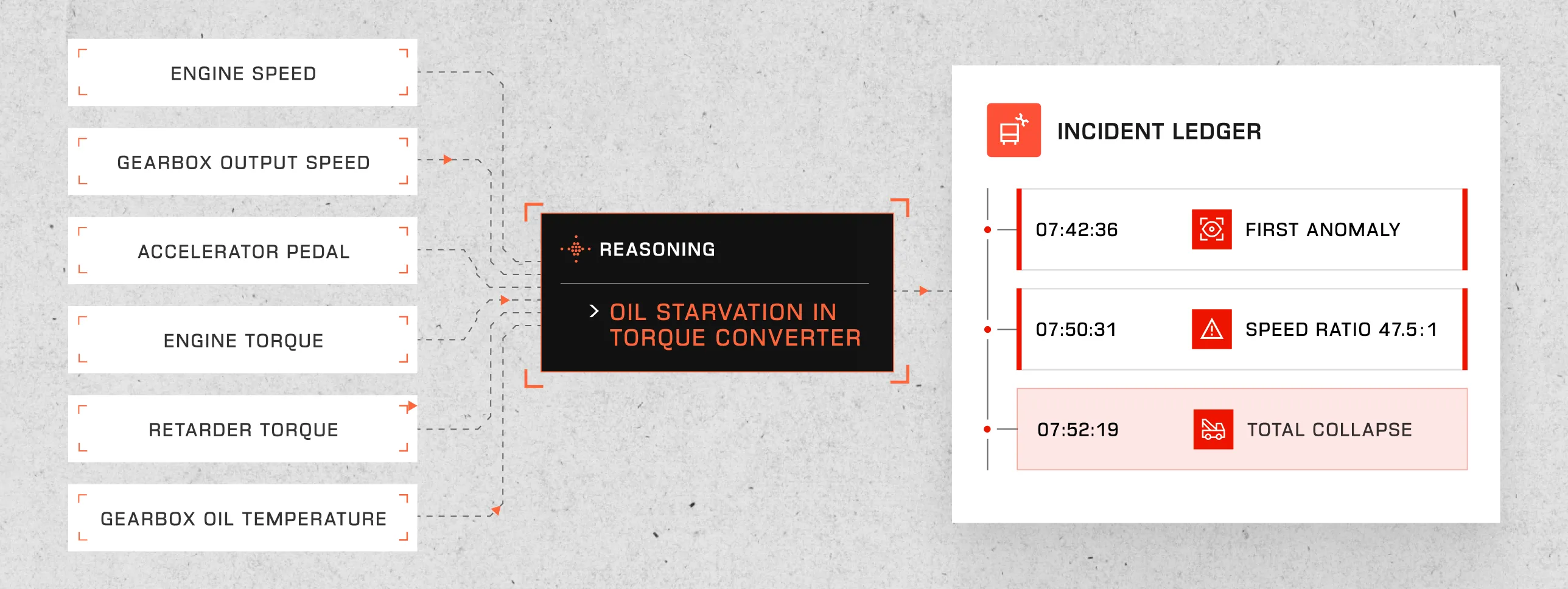


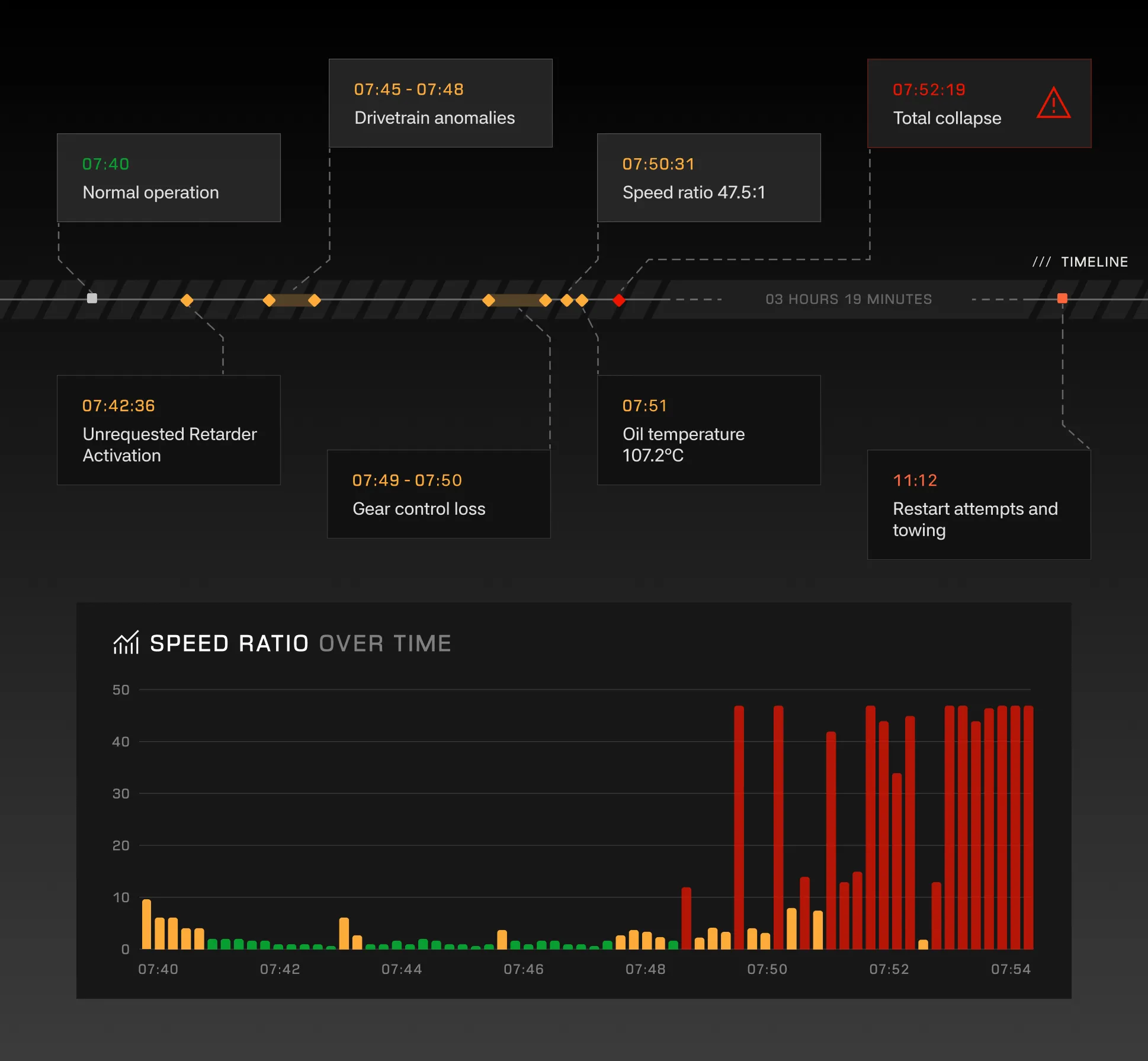
Every journey becomes part of the vehicle’s history
Stratio continuously records vehicle behaviour, so teams can review how a vehicle performed over time.


When questions arise, the evidence already exists.
Answer questions with evidence, not assumption
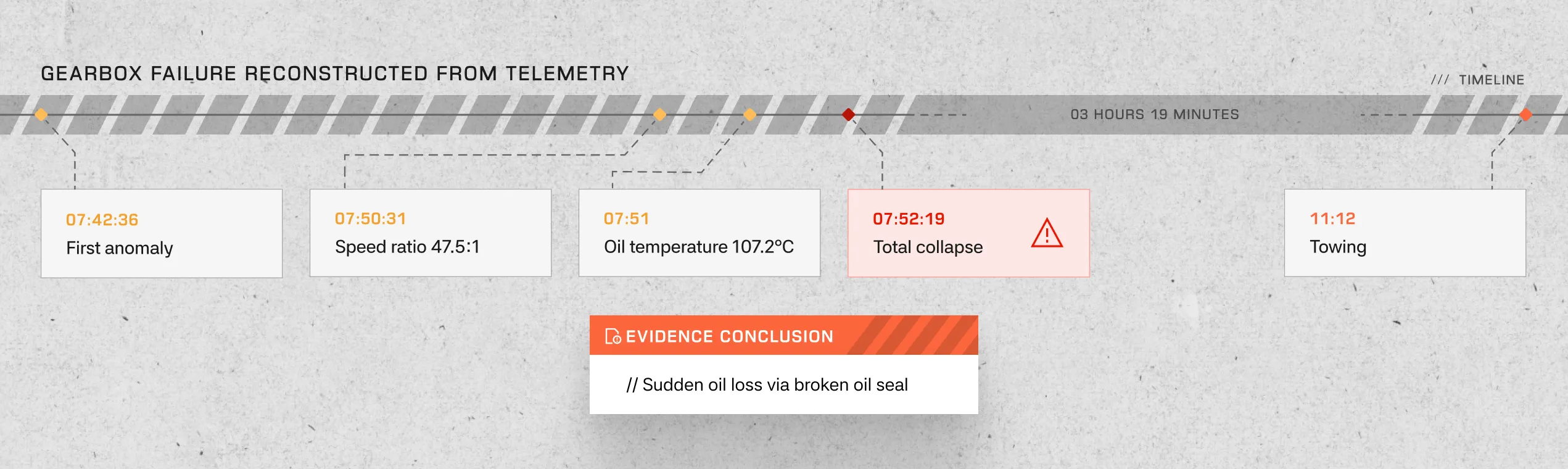
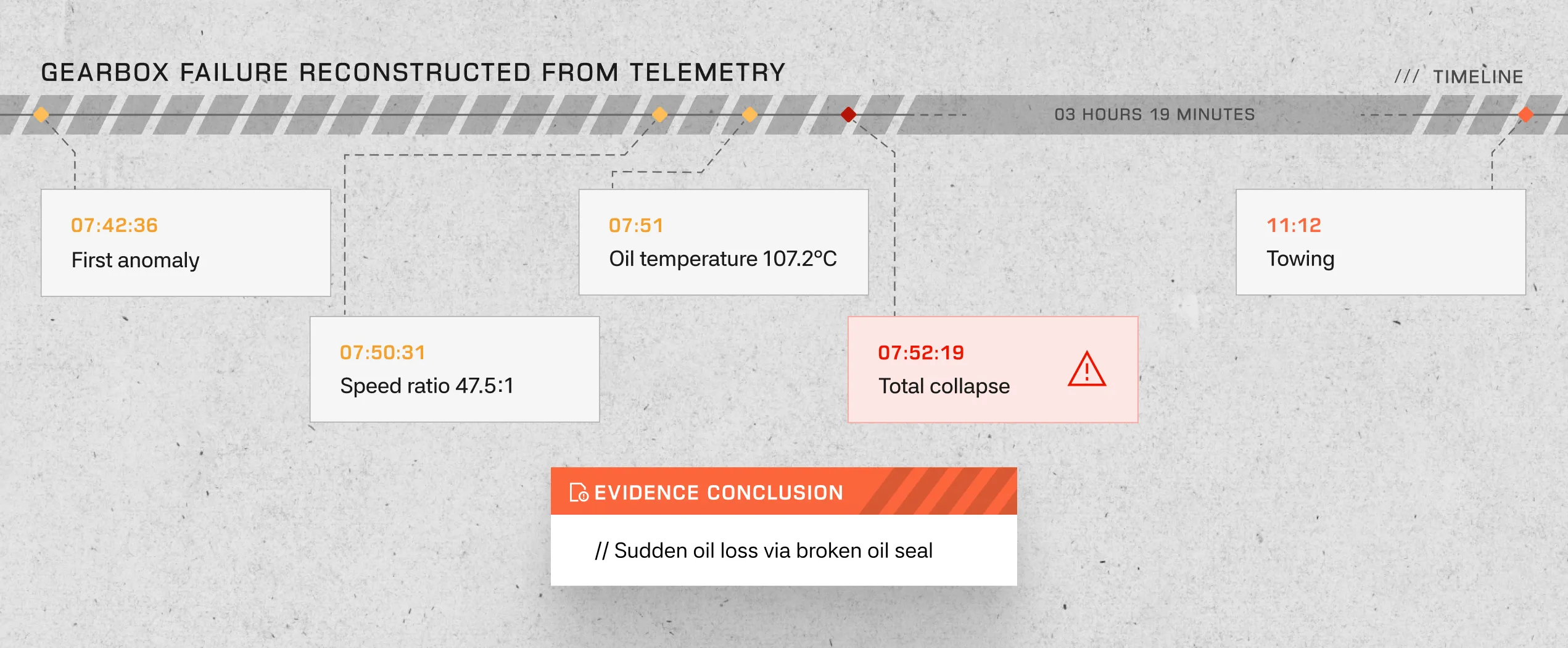


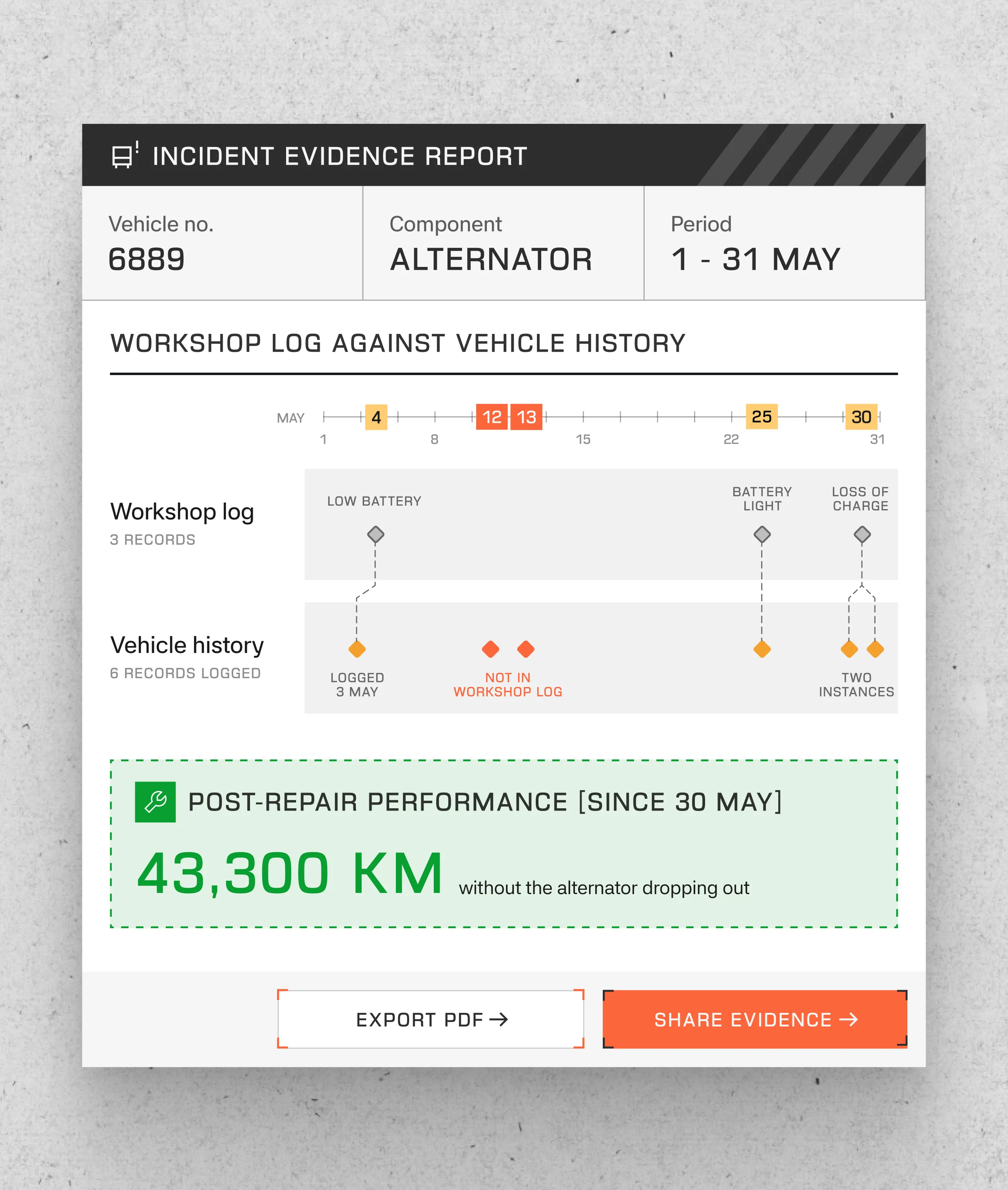
Three workshop records. One fault behind them all.
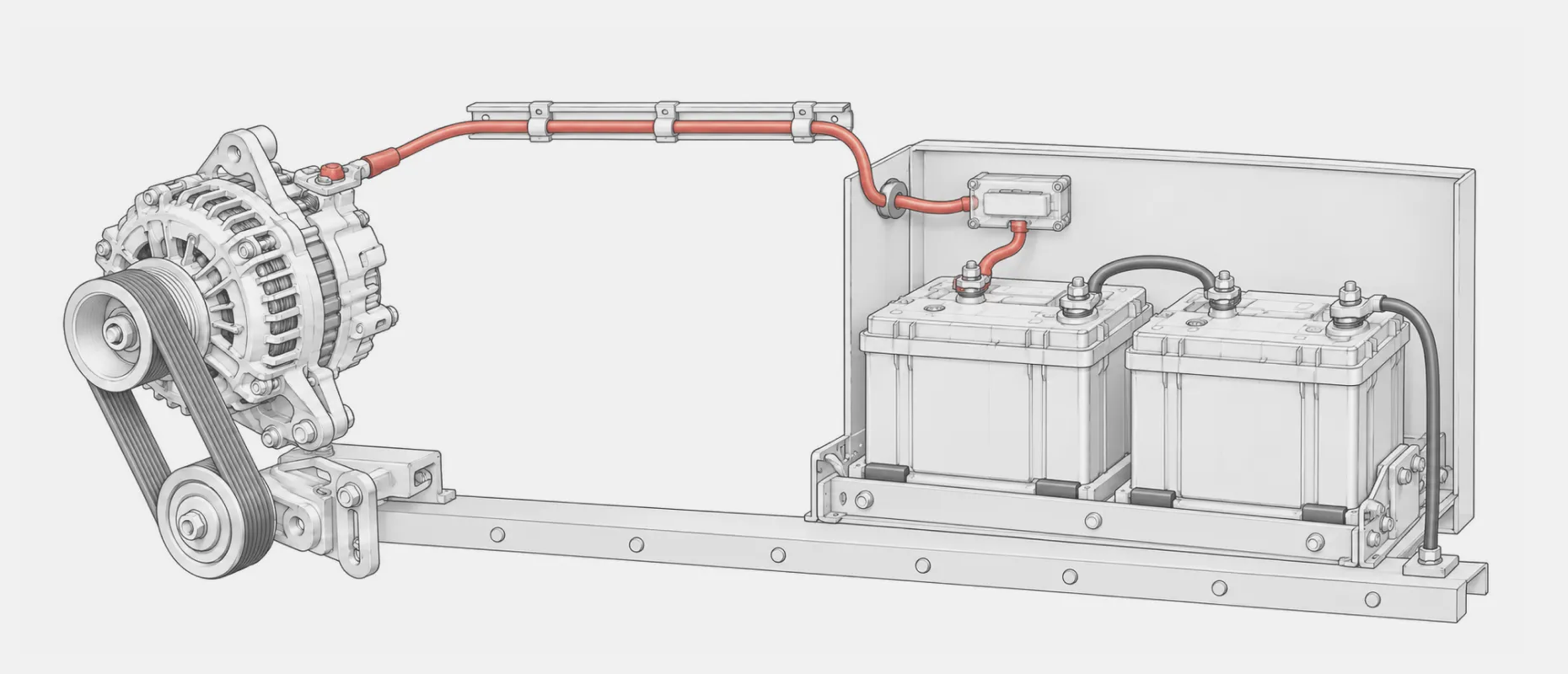
On one bus, the workshop logged a low battery on 4 May, a battery warning light on 25 May and low charge on 30 May. The vehicle’s recorded history showed a single fault behind all three: the alternator had stopped charging six times in 27 days, on the road and in the workshop. Two of those never reached the workshop log.
The history also showed when it ended. Since the repair on 30 May, the bus has covered 43,300 km without the alternator dropping out once. With the full record in hand, engineering could answer what the log could not: what happened, how often, and whether it was over.
/// client
testimonials
Real operators, real fleets. Real outcomes.
1 / 3


We adopted Stratio in 2020 to test whether failure prediction was real. The results speak for themselves: cost per km decreased, time between failures went up, and what began as a pilot in the Prague region is now a standard we keep expanding.
2%net savings per km operated
66.6%fewer towing interventions
33.3%improvement in planned-vs-unplanned maintenance ratio
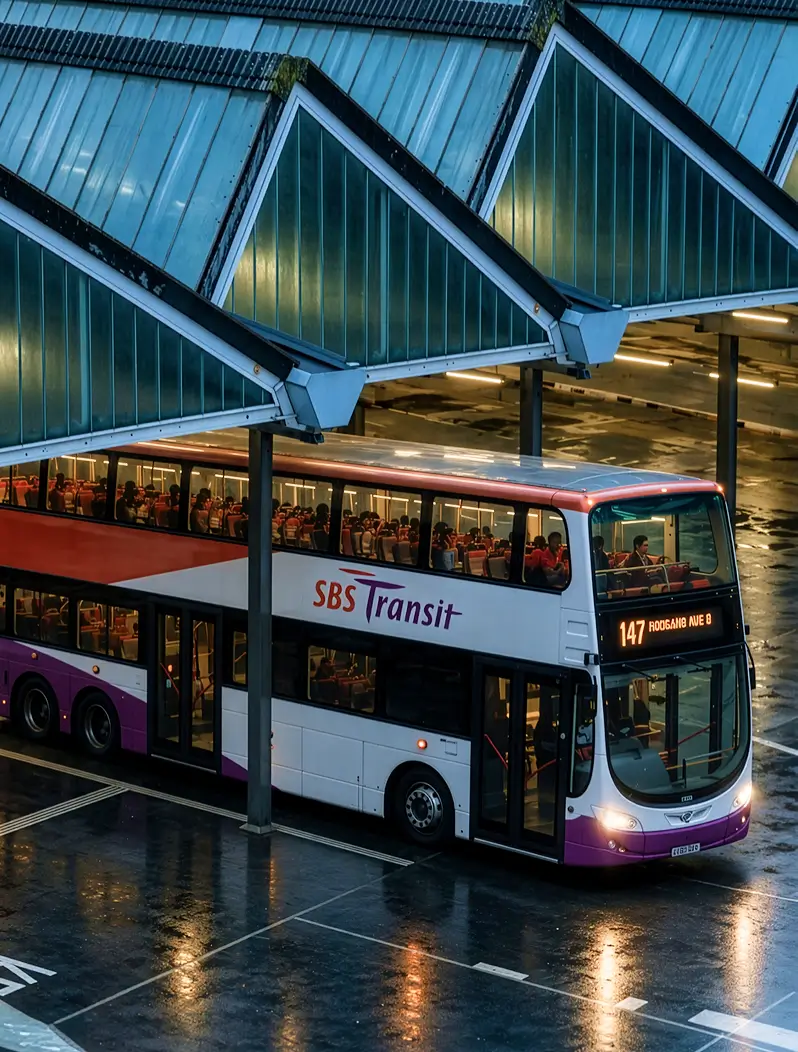

The Stratio Platform enables real-time fault detection and predictions for our buses. This allows for timely repair recalls with the workshops being alerted before actual breakdowns happen, reducing the occurrence of bus breakdowns in the process.
20%Fewer bus
breakdowns
62%Of Singapore’s bus
fleet covered
3000+Buses running on Stratio


The Stratio solution, which is already deployed on several Keolis networks in France, allows maintenance staff to view and address vehicle failures. This eliminates costly downtime, enabling us to provide an even more reliable, efficient and safe service for passengers.
30+operating companies using Stratio in France


Stratio’s technology is enabling us to operate more efficiently, both in the workshop and in day-to-day operations by preventing bus failures and scheduling preventive maintenance at exactly the right time. This helps reduce costs while increasing vehicle availability. All of this translates into higher service quality, minimizing route disruptions and providing a safer and more comfortable driving experience.
See how Stratio helps you understand what really happened
// Frequently asked questions
Have any questions? Get in touch with our team today.
What kinds of questions can Stratio help answer?
Stratio helps teams understand what happened before, during, and after an event. That includes collisions, unexpected failures, battery degradation, warranty claims, recurring faults, and operational incidents where understanding the vehicle’s behaviour is critical.
What vehicle data does Stratio record?
Stratio continuously records deep CAN signals, sensor data, battery behaviour, component performance, fault activity, operating conditions, and other vehicle telemetry. This creates a detailed vehicle history that engineering teams can review whenever questions arise.
Does Stratio determine the cause of an incident?
Stratio provides the vehicle evidence. Engineering teams, operators, manufacturers, insurers, or public transport authorities use that evidence to investigate what happened and make informed decisions.
Can Stratio support warranty and battery investigations?
Yes. By continuously recording battery performance and vehicle behaviour over time, Stratio helps teams identify long-term degradation, compare vehicles across the fleet, and provide evidence when warranty claims arise.
Can the same vehicle history be used by different teams?
Yes. Engineering, maintenance, operations, insurers, manufacturers, and public transport authorities can all work from the same vehicle history, reducing the need to reconstruct events from multiple disconnected sources.